
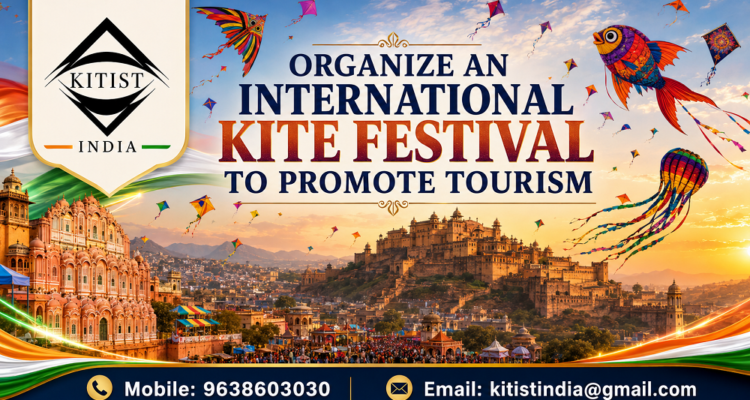
When the Sky Becomes a Tourism Destination
Tourism is one of the most powerful engines of economic growth, cultural exchange, and international recognition. While heritage monuments, wildlife, beaches, and mountains remain major attractions, festival tourism has emerged as one of the fastest-growing sectors worldwide. Among these, International Kite Festivals have become a spectacular platform for showcasing a state’s culture, traditions, hospitality, and tourism potential.
An International Kite Festival is much more than a sporting or cultural event—it is a vibrant celebration that brings together people from different countries under one colorful sky. It creates unforgettable experiences for visitors while generating significant economic and promotional benefits for the host destination.
The Power of Kite Festivals in Tourism Promotion
A kite flying event naturally attracts attention because it combines art, culture, sports, creativity, and entertainment. When organized on an international scale, it becomes a major tourism attraction capable of drawing thousands of domestic and foreign visitors.
Countries such as India, Japan, China, Indonesia, Thailand, Malaysia, France, Germany, South Korea, Vietnam, Sri Lanka, and the United States regularly host international kite festivals that receive extensive global media coverage.
These festivals transform parks, beaches, riverfronts, deserts, and open grounds into vibrant tourist destinations.
Why International Kite Festivals Matter
1. Global Tourism Promotion
International kite flyers from dozens of countries become cultural ambassadors. Every participant shares photographs, videos, and experiences through social media, television interviews, newspapers, and travel blogs.
One festival can generate millions of online impressions, introducing the destination to audiences across the world.
2. Showcasing Local Culture
A kite festival provides the perfect opportunity to display:
- Traditional dance performances
- Folk music
- Handicrafts
- Local cuisine
- Heritage architecture
- Indigenous art
- State traditions
- Cultural exhibitions
Visitors experience the destination beyond sightseeing—they experience its identity.
3. Boosting Local Economy
International festivals create direct business opportunities for:
- Hotels
- Resorts
- Restaurants
- Street food vendors
- Travel agencies
- Taxi operators
- Local guides
- Event management companies
- Artisans
- Souvenir shops
- Kite manufacturers
The economic impact extends well beyond the festival days, encouraging repeat tourism and long-term investment.
4. Employment Generation
Large-scale festivals generate temporary and permanent employment for:
- Event professionals
- Volunteers
- Security personnel
- Photographers
- Decorators
- Hospitality staff
- Technical teams
- Transportation providers
- Artists
- Local performers
Thousands of individuals benefit directly and indirectly from the event.
5. International Media Exposure
Television channels, newspapers, influencers, travel bloggers, drone videographers, and digital creators capture breathtaking visuals of giant kites flying over iconic landmarks.
These images become powerful promotional assets that continue promoting the destination long after the festival ends.
Tourism Benefits for the Host State
An International Kite Festival encourages visitors to explore nearby attractions before and after the event.
Tourists often extend their stay to visit:
- Heritage monuments
- Wildlife sanctuaries
- Beaches
- Desert landscapes
- Mountains
- Museums
- Religious destinations
- Local markets
- Adventure tourism sites
This significantly increases tourist spending throughout the region.
Strengthening Cultural Diplomacy
International participants represent their countries through unique kite designs inspired by their traditions.
The festival becomes a platform for:
- Cultural exchange
- International friendship
- Peace promotion
- People-to-people diplomacy
- Tourism partnerships
Such interactions strengthen global relations while promoting the host state’s image as a welcoming destination.
Social Media: The Biggest Tourism Ambassador
Every international participant becomes a digital influencer.
Typical festival content includes:
- Drone videos
- Time-lapse photography
- Live streaming
- Instagram Reels
- Facebook posts
- YouTube documentaries
- Travel vlogs
- News coverage
This user-generated content provides authentic global promotion at virtually no additional marketing cost.
Environmental and Educational Value
Modern kite festivals increasingly incorporate themes such as:
- Clean environment
- Save birds
- Plastic-free events
- Renewable energy
- Climate awareness
- Sustainable tourism
- Children’s education
- Family recreation
These initiatives enhance the festival’s appeal while promoting responsible tourism.
Branding the State Internationally
A successful annual International Kite Festival can become a signature tourism event, much like:
- Rio Carnival (Brazil)
- Albuquerque Balloon Fiesta (USA)
- Harbin Ice Festival (China)
- Oktoberfest (Germany)
- Venice Carnival (Italy)
Over time, the host state becomes synonymous with the festival, attracting visitors year after year.
Key Elements of a Successful International Kite Festival
An ideal festival includes:
- Participation from 20–50 countries
- Professional international kite flyers
- Giant inflatable display kites
- Night kite flying with LED illumination
- Cultural performances
- Traditional food festival
- Handicraft exhibition
- Tourism exhibition stalls
- Children’s activities
- Adventure sports
- Photography competitions
- Live music concerts
- Educational workshops
- International media coverage
Economic Impact
A well-organized international kite festival can generate significant tourism revenue through:
- Hotel occupancy
- Air travel
- Local transportation
- Food and beverage sales
- Shopping
- Event sponsorships
- Exhibition rentals
- Tourism packages
- Cultural programs
The event also enhances the state’s reputation, encouraging future investments and international collaborations.
KITIST INDIA – Leading International Kite Festival Organizer
India has witnessed remarkable growth in kite tourism, and KITIST INDIA has played a pioneering role in this transformation. With 25+ National and International Kite Festivals organized worldwide, the organization has successfully promoted tourism, cultural exchange, and destination branding across multiple regions.
KITIST INDIA has also:
- Organized festivals featuring participants from numerous countries.
- Established 2 World Records through large-scale kite events.
- Worked with tourism departments, government bodies, and private organizations.
- Been honored with the “Best Kite Consultant and Kite Festival Event Organizer” Award at the EPICURUS Indian Hospitality Awards 2021 in Hyderabad.
- Promoted India’s rich kite-flying heritage while creating memorable experiences for visitors from around the globe.
Through innovative event planning and international participation, KITIST INDIA continues to position kite festivals as a powerful tool for tourism development and global destination marketing.
Conclusion
An International Kite Festival is far more than a colorful celebration—it is a strategic tourism investment. It stimulates economic growth, strengthens cultural identity, enhances international visibility, creates employment, and showcases the unique attractions of a state to the world.
By bringing together people, cultures, and creativity beneath one sky, these festivals inspire travel, foster international goodwill, and leave a lasting impression on every visitor. For states seeking innovative ways to promote tourism and build a globally recognized destination brand, organizing an International Kite Festival is one of the most effective and visually captivating strategies available.
When thousands of kites fill the sky, they do more than create a breathtaking spectacle—they carry the story of a destination to the world.